Federal Budget 2026 made simple • Tabled November 5, 2026
Every year, the government shares its plan for how it will spend money. That plan is called the budget. This year’s budget came out on November 5.
Some parts of it could change how you buy a home, pay for your mortgage or keep your savings safe. Here is what it means, in plain words.
The budget in four numbers
|
|
||
|
|
The 5 big changes
- More homes can get a better mortgage deal — Today, a special kind of mortgage insurance that helps banks offer lower rates only works on homes that cost up to $1 million, when you put down 20% or more. The new plan raises that limit to $1.5 million. Many homes in Ottawa and Toronto cost more than $1 million, so more families could get the better deal.
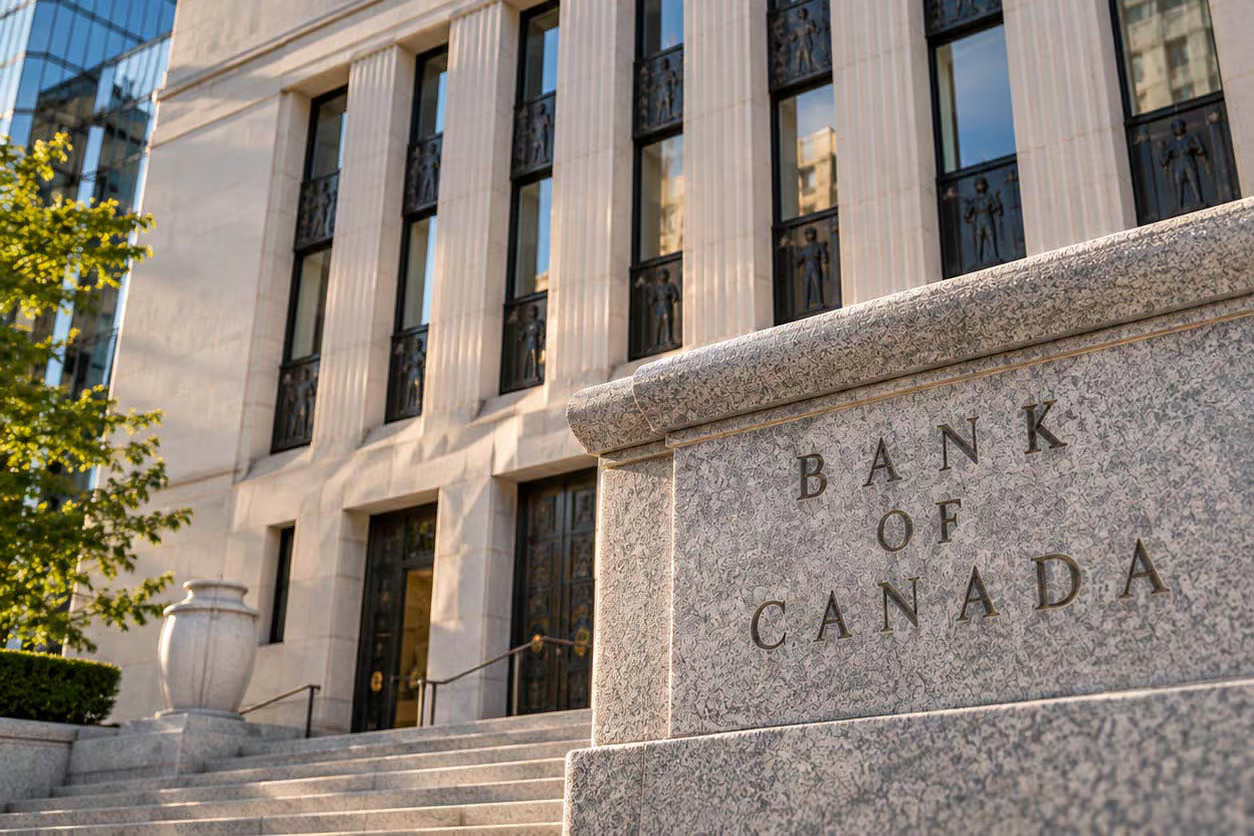
- Shopping for a mortgage gets easier — Think of comparing prices at the grocery store. The Bank of Canada will share more information about mortgage rates, so you can see what a good deal looks like. The government also wants the fees for leaving a mortgage early to be easier to understand. And the Canada Revenue Agency will test a way for lenders to check your income quickly and safely.
- More homes, built faster — The government is putting $45 billion into a program called Build Canada Homes. Starting February 2027, it will be easier to borrow money to build triplexes and fourplexes, which are buildings with three or four homes in them. More companies will also be allowed to insure loans for buildings with 5 to 50 homes, not just the government’s housing agency, CMHC.
- The foreign buyer rule stays, with one big change — People who don’t live in Canada still can’t buy homes that someone already owns, and that rule would last until January 1, 2029. But they could now buy brand-new homes. This could help sell new condos that are finished but still empty.
- Your savings get more protection — If a bank goes out of business, the money you keep there would be protected up to $250,000, instead of $100,000 today. Smaller banks also get more room to grow, which means more choices for you.
What changes: now and the new plan
| What it is | Now | New plan |
| Highest home price for the special mortgage insurance (20% or more down) | $1 million | $1.5 million |
| Years to pay off those mortgages | 25 years | 30 years, for first-time buyers or new homes |
| When the foreign buyer rule ends | Jan 1, 2027 | Jan 1, 2029, for homes already owned |
| Loans to build a 3- or 4-unit home | Hard to insure | Can be insured for up to 90% of the finished value |
| Savings protected if a bank fails | $100,000 | $250,000 |
| How big a bank can grow before stricter ownership rules | $12 billion | $25 billion |
Most of these are still plans. Parliament has to pass them before they become rules. There is no start date yet for the $1.5 million limit.
Paying over 30 years instead of 25
Imagine paying for a new bike. If you spread the payments over more weeks, each payment is smaller. But because you pay for longer, the bike costs more in the end. Mortgages work the same way.
Here is an example. A first-time buyer buys a $1.5 million home and puts 20% down, so they borrow $1.2 million. The rate is 4.44%, about the lowest five-year fixed rate today.
| Borrowing $1.2 million | 25 years | 30 years |
| Payment each month | $6,602 | $6,009 |
| Total interest paid (if the rate never changed) | $780,500 | $963,200 |
The 30-year plan costs about $593 less each month, but about $182,600 more in total. This is only an example. It assumes the rate stays the same the whole time and does not include insurance costs.
Borrowing money costs more than it did in February
Prices for everyday things have been rising faster this year. When that happens, borrowing money usually gets more expensive too. In October, the Bank of Canada raised its interest rate for the first time in more than three years.
| February 2026 | Early November 2026 |
| Cheapest 5-year fixed mortgage rate | |||
| The rate that stays the same for five years. | |||
| 3.79% | |||
| 4.44% | |||
| Cheapest 5-year variable mortgage rate | |||
| The rate that can move up or down. | |||
| 3.45% | |||
| 3.70% | |||
| What the government pays to borrow for 5 years | |||
| This number helps decide fixed mortgage rates. | |||
| 2.67% | |||
| 3.49% | |||
| How fast prices are rising | |||
| Also called inflation. | |||
| 1.8% | |||
| 3.1% | |||
Source: Ratehub.ca. Mortgage rates as of November 4, government borrowing rate from November 2, price rise for September 2026.
Good news that could cost borrowers a little more
Canada and the U.S. have been in a fight over trade, and they seem to be getting closer to a deal. Prime Minister Carney says the U.S. is “offering more” and “asking less.” A deal would be good for jobs and businesses.
Here is the catch. When the economy gets stronger, prices can rise faster. To slow that down, the Bank of Canada may raise its interest rate. It is a bit like turning down the heat when a room gets too warm.
The bank CIBC already expects one more rate increase in early 2027. Its economist, Benjamin Tal, says a trade deal could mean two. Variable-rate mortgages would feel that right away. Fixed rates follow a different signal, so they may not move as much.
One thing could change this: that view assumes the U.S. conflict with Iran keeps going. If it ends, oil and gas could get cheaper, and the Bank of Canada might not need to raise rates at all.
A plan to build many more affordable homes
Some homes are built to help people who need a lower rent, not to make a profit. These are called non-market homes, like co-op or community housing. The government wants to build three times as many each year, with $45 billion in total for the job.
| Built each year now (about) | |||
| 8,000 | |||
| The goal | |||
| 24,000 | |||
Foreign buyers: who can buy what
Since 2023, people who don’t live in Canada have not been allowed to buy homes here. The new plan keeps that rule for homes that are already owned, but opens up brand-new homes. The goal is to help builders sell new condos and start more projects.
| Type of home | Can foreign buyers buy it? |
| A home someone already owns | No, not until January 1, 2029 |
| A brand-new home | Yes, under the new plan |
| Extra provincial taxes, like Ontario’s tax on foreign buyers | Still apply |
Dates to remember
| Dec 9, 2026 | The Bank of Canada’s next rate decision |
| Early 2027 | CIBC expects one more rate increase, maybe two if a trade deal happens |
| Feb 1, 2027 | Easier loans to build triplexes and fourplexes begin |
| 2027–28 | The income-checking test starts, and new money for Build Canada Homes begins |
| Jan 1, 2029 | The foreign buyer rule for already-owned homes would end |
| Not set yet | When the $1.5 million limit and 30-year mortgages start |
What this means for you
| If you are… | Here is what to know |
| Buying your first home | If you put down 20% on a home up to $1.5 million, you may be able to take 30 years to pay. Your monthly payment would be smaller once the rule starts. |
| Buying a home between $1M and $1.5M | This is the price range that gains the most. More banks may compete for your business, which can mean a better rate. |
| Renewing your mortgage soon | If you have a variable rate, be ready for your payment to go up if rates rise again. Clearer fees will make it easier to compare switching banks. |
| Building or investing in small rentals | Loans for 3- or 4-unit buildings get easier from February 2027. |
| Waiting on a pre-construction condo | More buyers may be allowed to buy new homes, which could help if you plan to sell your spot before it’s finished. |
| Saving money in the bank | More of your money would be protected, up to $250,000. That includes money from a home sale that is waiting in the bank before closing. |
Not sure how this affects your plans?
Whether you are buying, selling, renewing or investing, a short conversation can turn these headlines into a clear next step. Call or e-mail us today.


Sources: Canadian Mortgage Professional; The Globe and Mail; CTV News; Daily Hive; The Canadian Press; Associated Press; Ratehub.ca.
This newsletter is for general information only and is not legal, tax, mortgage or financial advice. Budget measures are proposals and may change before they are enacted. Payment figures are illustrative. Please speak with a qualified professional about your situation. Not intended to solicit buyers or sellers currently under contract.

Get Strategic Guidance
Whatever your needs—from navigating the luxury real estate market to solving commercial real estate problems—we guide you with proven strategy and objective advice.